
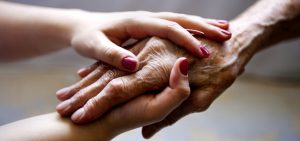
Many people associate healing with curing a disease or recovering from an injury. However, healing can also mean finding peace, comfort, and meaning in the face of suffering. In this blog post, we will explore how healing is possible at the end of life, even when a cure is not.
Healing at the end of life can take different forms, depending on the needs and preferences of each individual. Some common aspects of healing are:
- Physical healing: This involves relieving pain and other symptoms, as well as improving the quality of life. Palliative care and hospice care are specialized forms of medical care that focus on physical healing at the end of life.
- Emotional healing: This involves coping with feelings of sadness, anger, fear, guilt, or regret that may arise as death approaches. Emotional healing can be supported by counseling, therapy, or spiritual guidance, as well as by family and friends.
- Social healing: This involves strengthening relationships and resolving conflicts with loved ones, as well as finding ways to say goodbye and express gratitude. Social healing can be facilitated by communication, forgiveness, and rituals.
- Spiritual healing: This involves finding a sense of purpose, meaning, and hope in one’s life and death. Spiritual healing can be influenced by one’s beliefs, values, and faith, as well as by nature, art, or music.
Healing at the end of life is not a linear process, but rather a dynamic and ongoing one. It may involve moments of joy and sorrow, acceptance and denial, peace and struggle. It is important to respect and honor each person’s unique journey of healing, and to offer support and compassion along the way.