
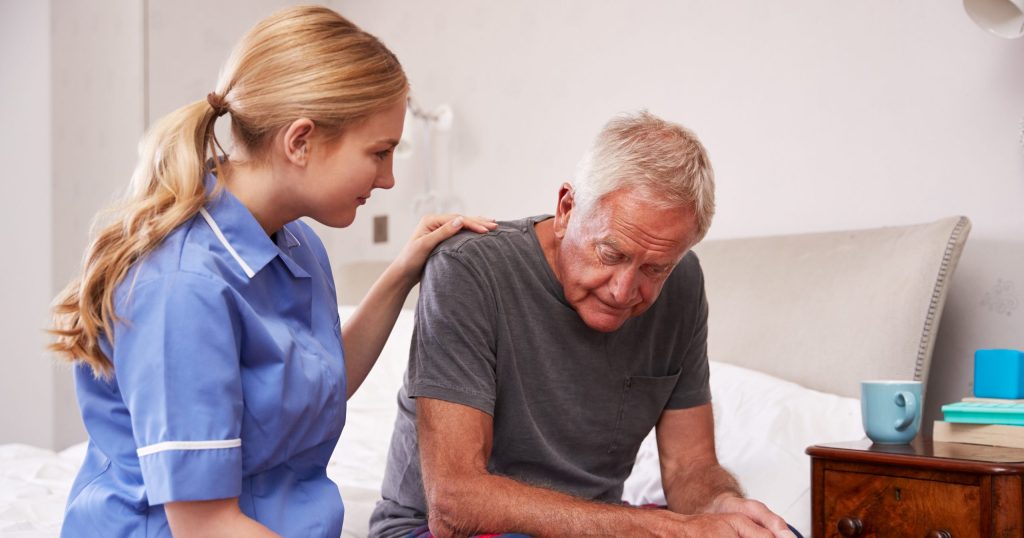
As the winter season sets in, caregivers may find themselves facing additional challenges, especially if they’re dealing with seasonal depression. At Glen Valley Hospice, we understand the importance of supporting caregivers through these tough times. Here are some tips and resources to help you navigate caregiving while managing seasonal depression:
- Reach Out for Support: Don’t hesitate to lean on your support network, whether it’s family, friends, or organizations like Glen Valley Hospice. Talking about your feelings and seeking assistance when needed can make a significant difference.
- Prioritize Self-Care: Remember to take care of yourself. Engage in activities that bring you joy and relaxation, whether it’s taking a walk in nature, practicing mindfulness, or indulging in a favorite hobby.
- Set Realistic Expectations: Understand that it’s okay to not be perfect. Set realistic expectations for yourself and your caregiving duties. Don’t hesitate to ask for help or delegate tasks when necessary.
- Seek Professional Help: If you’re struggling to cope with seasonal depression, consider reaching out to a mental health professional. Therapy, medication, or other treatments may be beneficial in managing your symptoms.
- Stay Active: Physical activity can have a positive impact on your mood. Try to incorporate regular exercise into your routine, even if it’s just a short walk or gentle stretching exercises.
- Stay Connected: Stay connected with others, even if it’s virtually. Social support can provide a sense of belonging and lift your spirits during difficult times.
Remember, you’re not alone on this journey. Glen Valley Hospice is here to offer support, guidance, and a listening ear. Don’t hesitate to reach out to us for assistance. Together, we can navigate caregiving with seasonal depression and emerge stronger on the other side.
If you or someone you know is struggling, please contact us at [contact information] for support and assistance.
Stay strong, caregivers. You’re doing an incredible job, and your well-being matters.